
Mat Based Pilates Equipment
Having the right equipment will enhance your experience but more importantly will keep you safe.
This post is about the equipment that you might want to consider when attending Mat Based Pilates class or practicing the Mat Based Pilates exercises.
Essential Equipment:
Lets start with one of the most obvious equipment:
MAT
Let me tell you, a good quality Pilates mat is worth the investment. It will not only enhance your experience but most importantly it will keep you safe.
Choosing the right Mat can be a very lengthy and confusing process. There are so many to choose from, and sadly most of them are not very good for Mat Pilates.
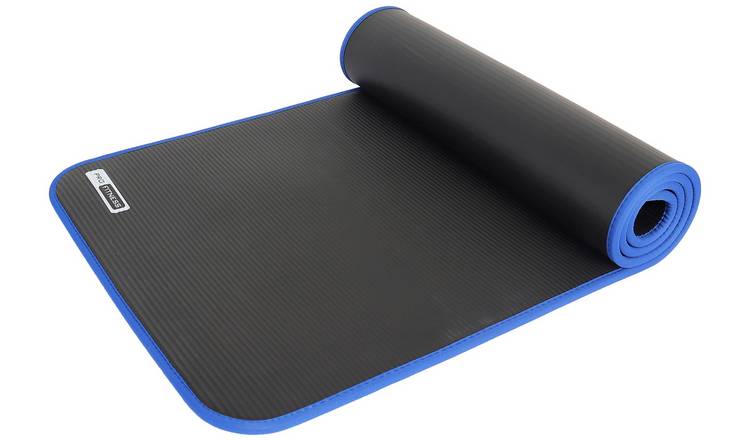
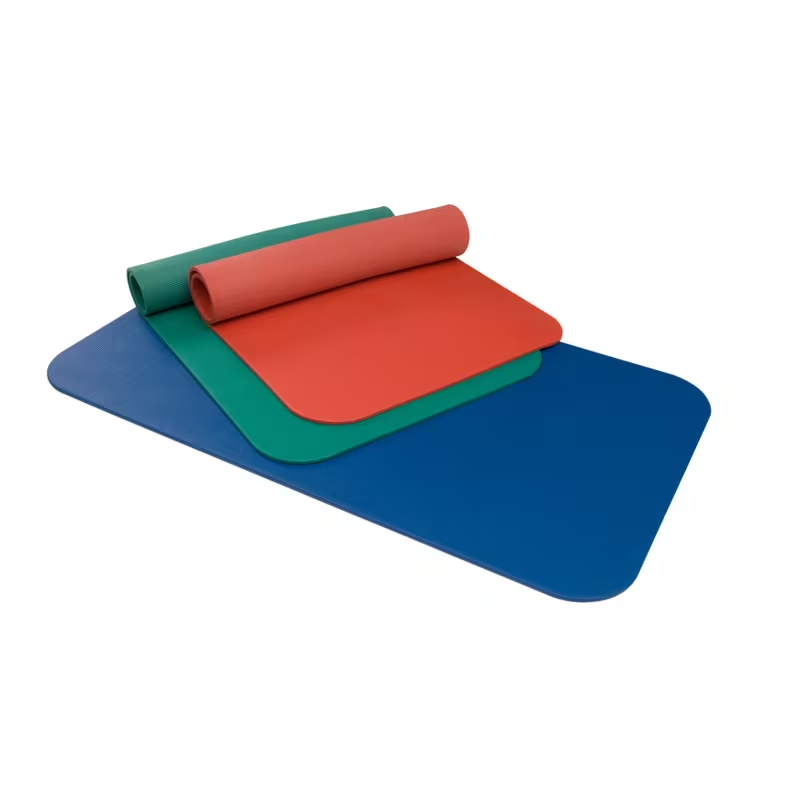
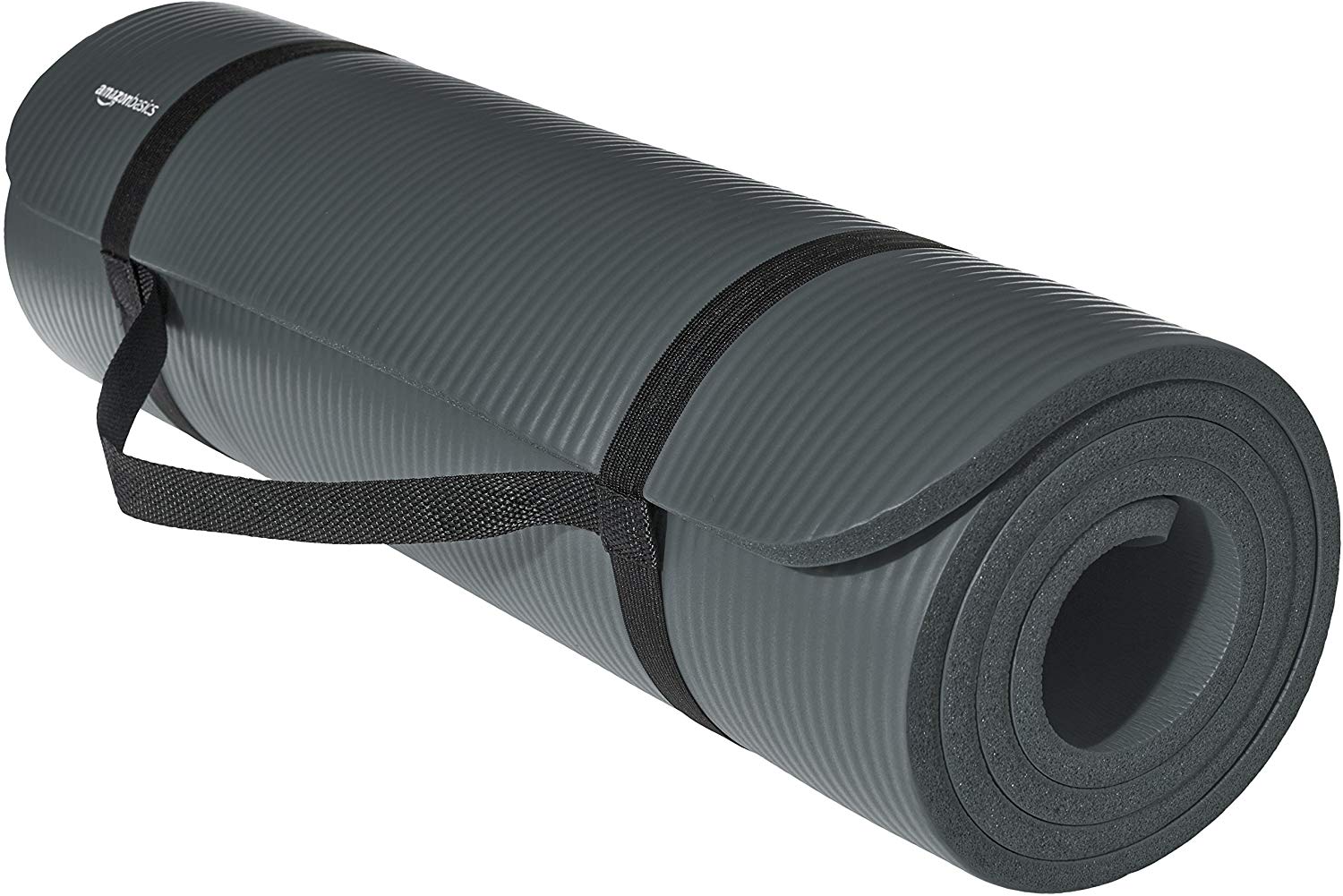
I have learned my lesson the hard way, I have bought quite a few very inexpensive mats, £10 – £15 in the local stores and I have soon realised that the quality of those were less than great. They were too thin, tearing easily and not offering any support when laying on it. When rolling them out one end will not open fully and so they soon became my beach mats.
So, I thought, if I go for the next price range £19.99 – £25 I should get a decent one. I have even typed ‘Pilates Mat’ in the search engine to ensure I am going for the right mat this time making sure not to buy another Yoga Mat.
Just to clarify, Yoga Mats are not suitable for Pilates. They are slightly different, the same way that Pilates and Yoga exercises are different, and so each of the mats are designed to suit the specific type of exercises. One fundamental difference I would say is the thickness of the mats. Yoga mats tend to be much thinner than Pilates mats.
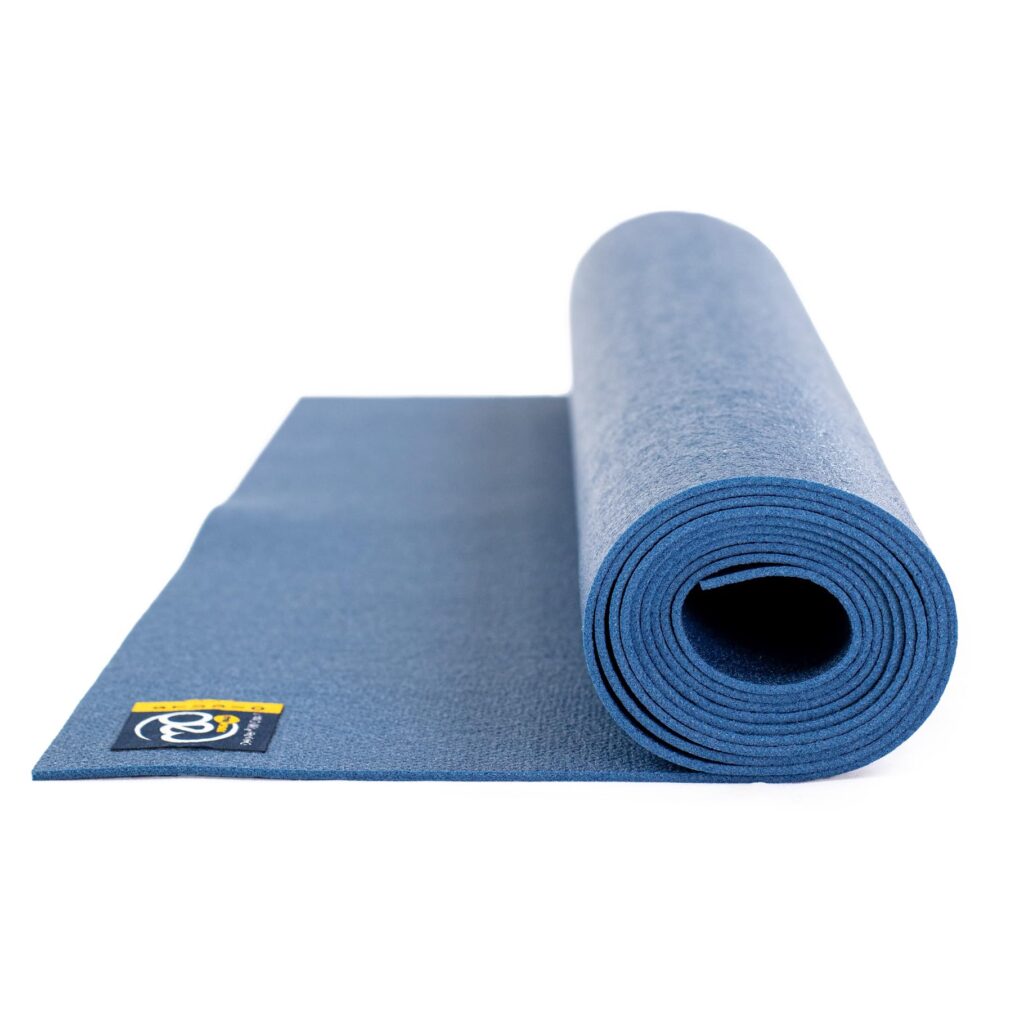
P.S. If you already have a yoga mat, please do not get rid of it you can still use it as an extra cushioning, or modification – be resourceful! However, please note: a yoga mat will not give you the support you require to perform some of the Pilates exercises in the prone position – laying on your front or supine – laying on your back, or when laying on your side. Still, I do not want to take the positives away I would say that lots of Yoga mats have a good grip and are often anti-slippery and that is because lots of yoga exercises require that type of support.
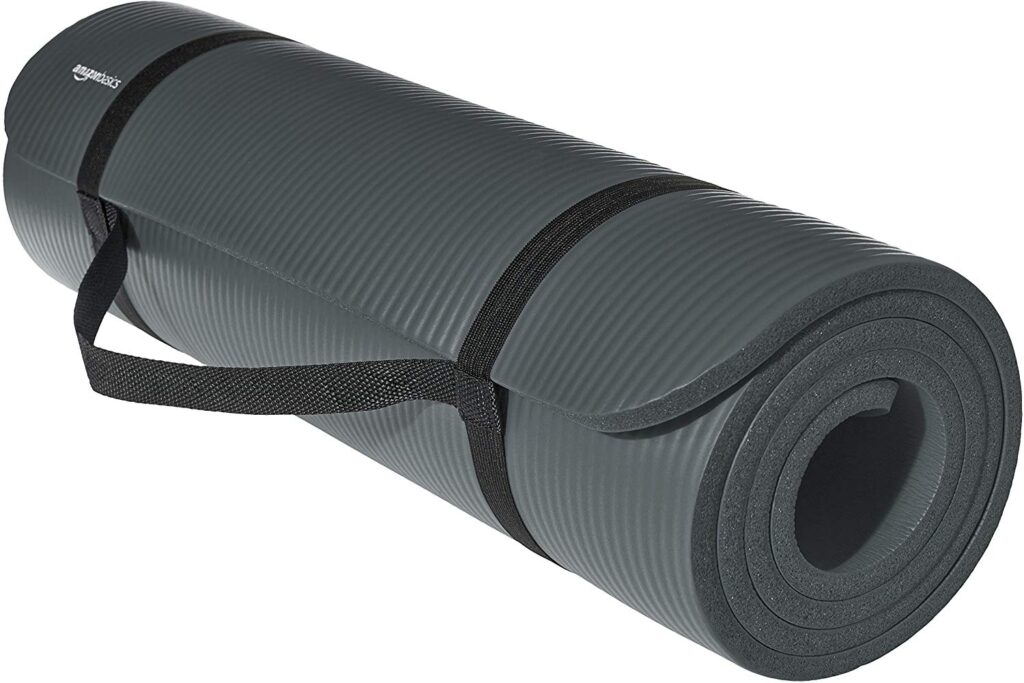
Back to the saga of choosing the mat. My next mat that has arrived (Approx. £20) had a lovely storage bag with a shoulder strap, and elastic band for the mat itself. It was super light but at the same time super thick – just over 1cm – and it did offer the most comfortable experience when lying down. It was great on the carpet but not so great on the hard floor. It was gliding and sliding, a bit of H&S issue, it was like being on the ice rink. Stepping onto the mat was quite tricky without resulting in the splits, also if you were in the down dog position your feet and your hands will be sliding away. Big hazard as far as exercises go. It was missing that anti-slippery factor.
Once I had completed my Pilates qualification, I have decided to get a professional Mat. I have asked around. Airex mat has been recommended to me £40+ (Ouch!).
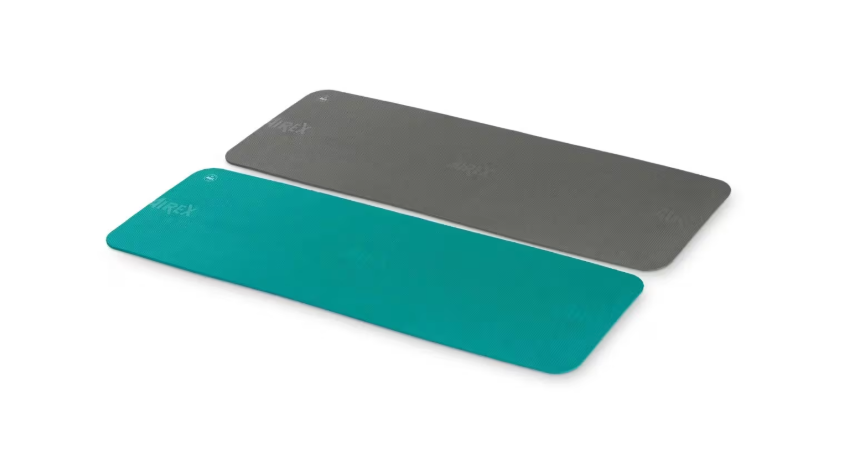
I was very excited about it arriving. This mat had a different feel to it – it was much heavier, it was dense (another aspect to consider). Mats with good density tend to open nicely and lay flat on the floor. This mat has a rubbery feel and had a good grip so stepping onto it has no longer been a concerned and hazard free. It offered perfect support in all the Pilates positions BUT it failed my test of Down Dog although, strictly speaking, Down Dog is not typically a Pilates pose but I use it a lot as a hamstring and back stretch and as a transition from standing to kneeling or even going into plank.
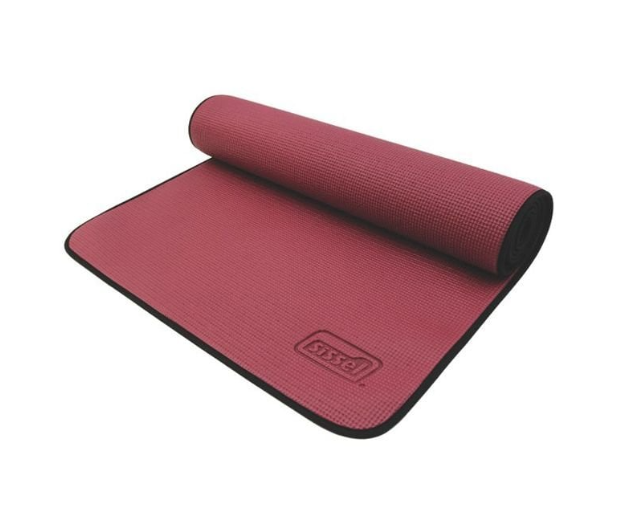
The stripy section of the Mat meant that it was stretching forward and back when walking the hands forward from the roll down. I felt slightly disappointed but I was not going to give up. I wanted a hybrid of Yoga good grip and anti-slippery and a Pilates’ sponginess aspect; and surly, I have finally found one offered by Sissle, again approx. £40. The mat is slightly on the thin side 0.6mil but because of it density it offers a great support, it does not skid or slide. And I would highly recommend it to anyone.
In summary: avoid buying inexpensive mats, it is a false economy you will end up like me progressing up the price ladder. Aim for the thick mat with good density and preferably anti-slippery.
Below just few key search points:
- Pilates mat, anti-slippery, with good grip, go for good density v light mat!
Recommendations: Sissel.com, Airex – P.S I am not on a commission 😉
Other Recommended Equipment:
- Towel – big towel – its not just to wipe the sweat, but great for the modification and assistance with exercises
- Pilates/Yoga Block – great for modifications: reaching for the floor, using as a head support, or sitting on them.
- Water – To stay hydrated during the class
- Anti-slippery socks / shoes (bare feet)
- Small weights – 0.5 – 1 kg max , or 2 bottles of water bottle 500ml, and if you forget the drinking water you still have the back up;
- Resistance Band
- Resistance Loop
- Strap/Belt/Pole
- Pilates ball 6” or 8”
Just one thing to add:
Most of the designated sport studios will be equipped to some extend but it’s worth considering whether the equipment is suitable for the type of exercise you are going to perform. Also, you might want to have your own stuff mainly for hygiene reason or personal preference.